

Other Formats
Living Lab with Andri Peteli and Irene Tofa | Threads of Memory × Urban Fragments
Living Lab | Threads of Memory × Urban Fragments
Walking – Collecting – Weaving – Collaging
Threads of Memory × Urban Fragments is a hands-on, practice-based workshop that explores the relationship between personal memory and the urban environment through walking, collecting, photography, and textile-based collage.
The workshop invites students to reflect on their own identities and memories while engaging with the visual, material, and emotional textures of the city of Guimarães.
The conceptual framework of the project focuses on memory as something fluid, layered, and constantly reshaped by place and experience. Students are encouraged to think of memory not as a fixed image, but as something that can be fragmented, woven, and reassembled.The workshop draws inspiration from practices related to walking as an artistic method, urban observation, personal archives, and textile processes such as weaving, layering, and binding.
Participants are asked to bring with them personal photographic material (one or more) that carries emotional or mnemonic value. These photographs can include images from their own childhood, family photographs (for example of a mother, grandmother, or another close person), or any image from their personal archive that evokes a strong memory or sense of identity. These images will function as the starting point of the workshop and will later be combined with materials and photographs collected from the city.
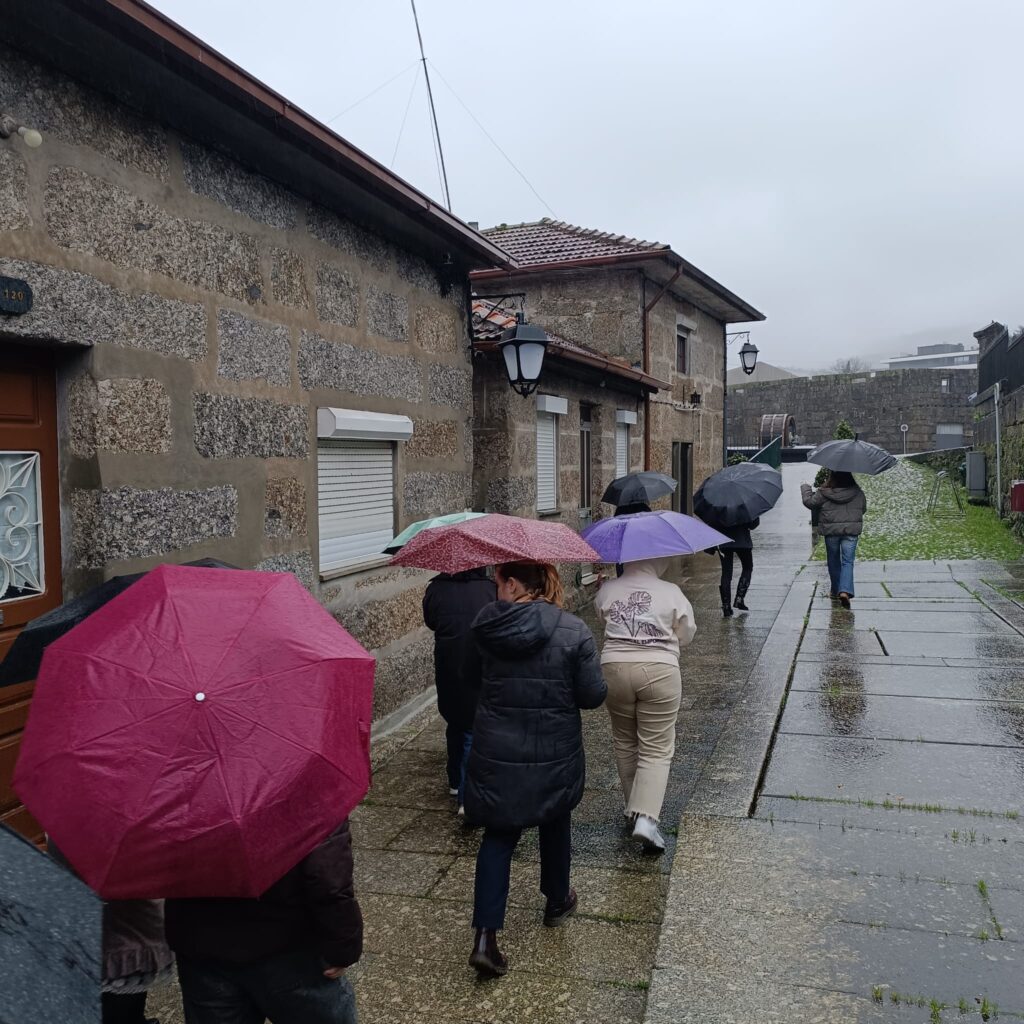
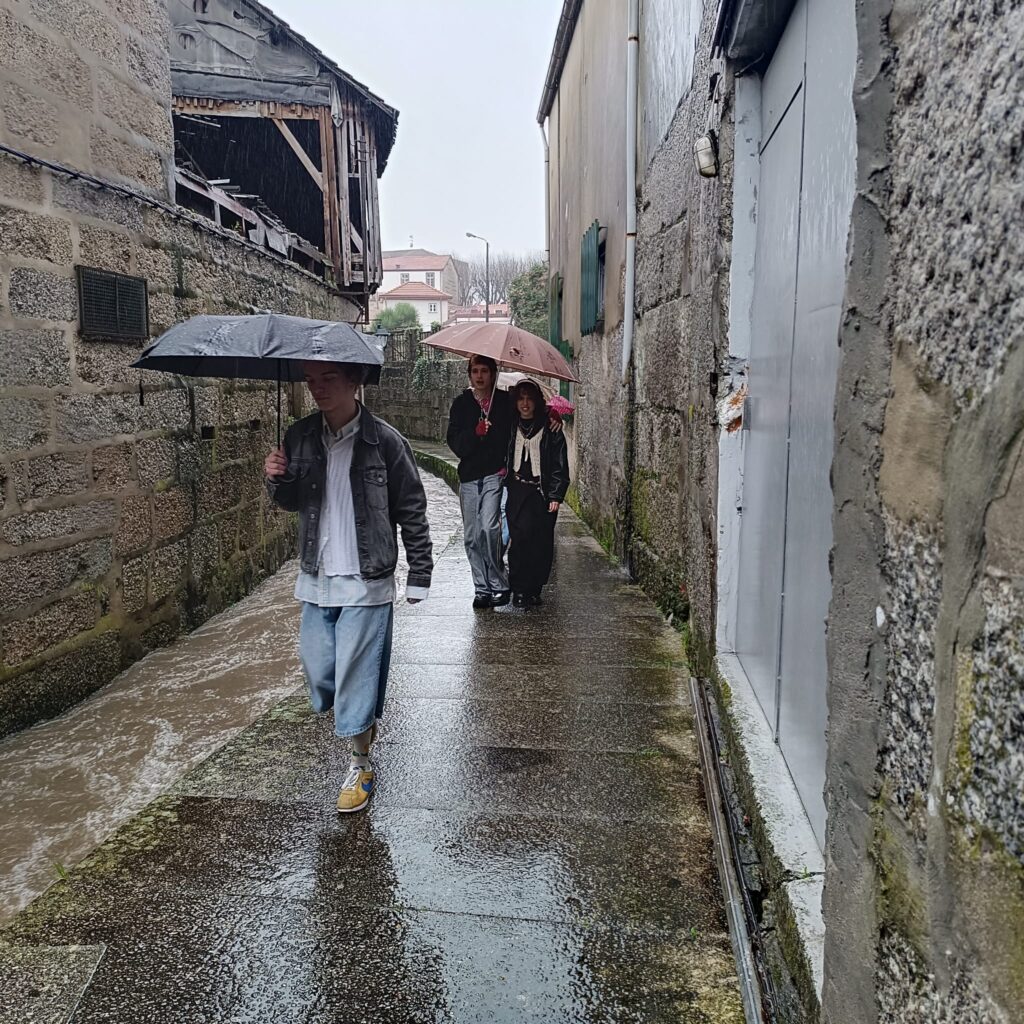
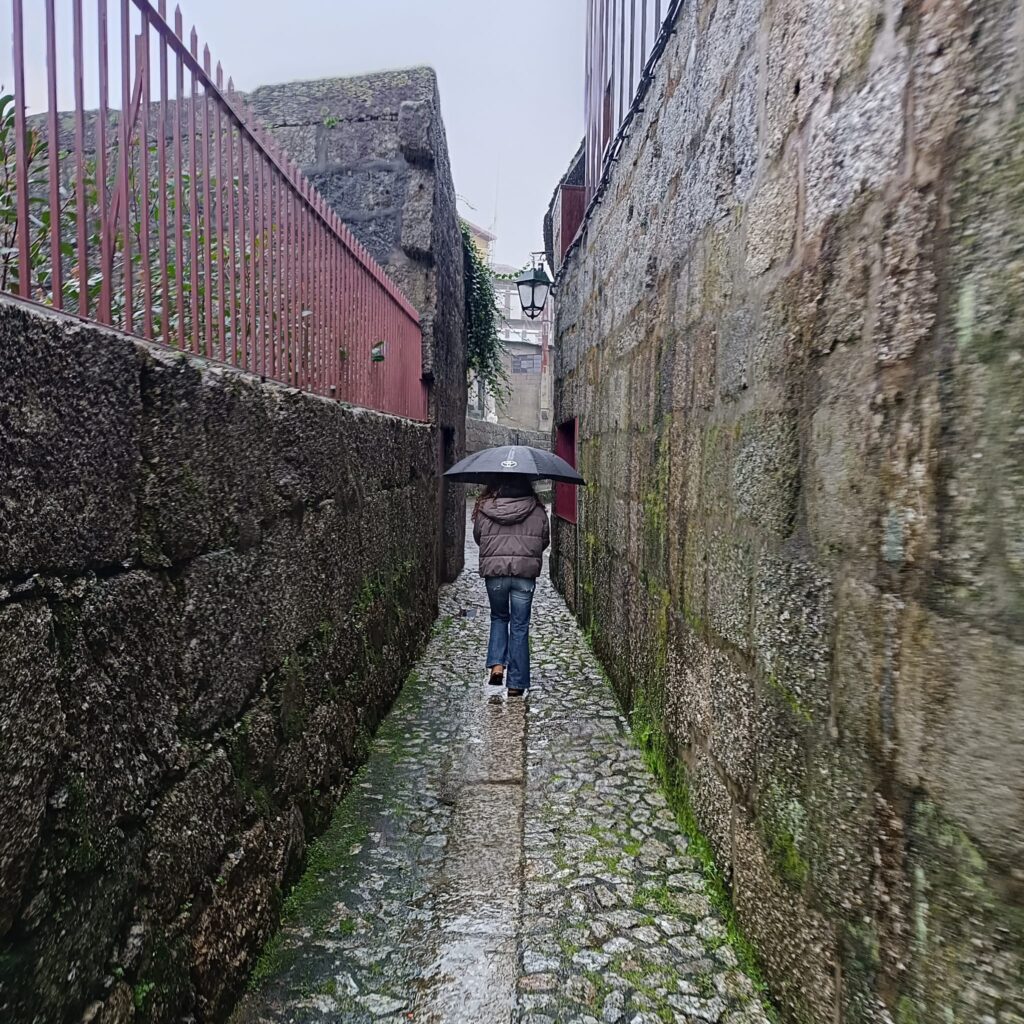
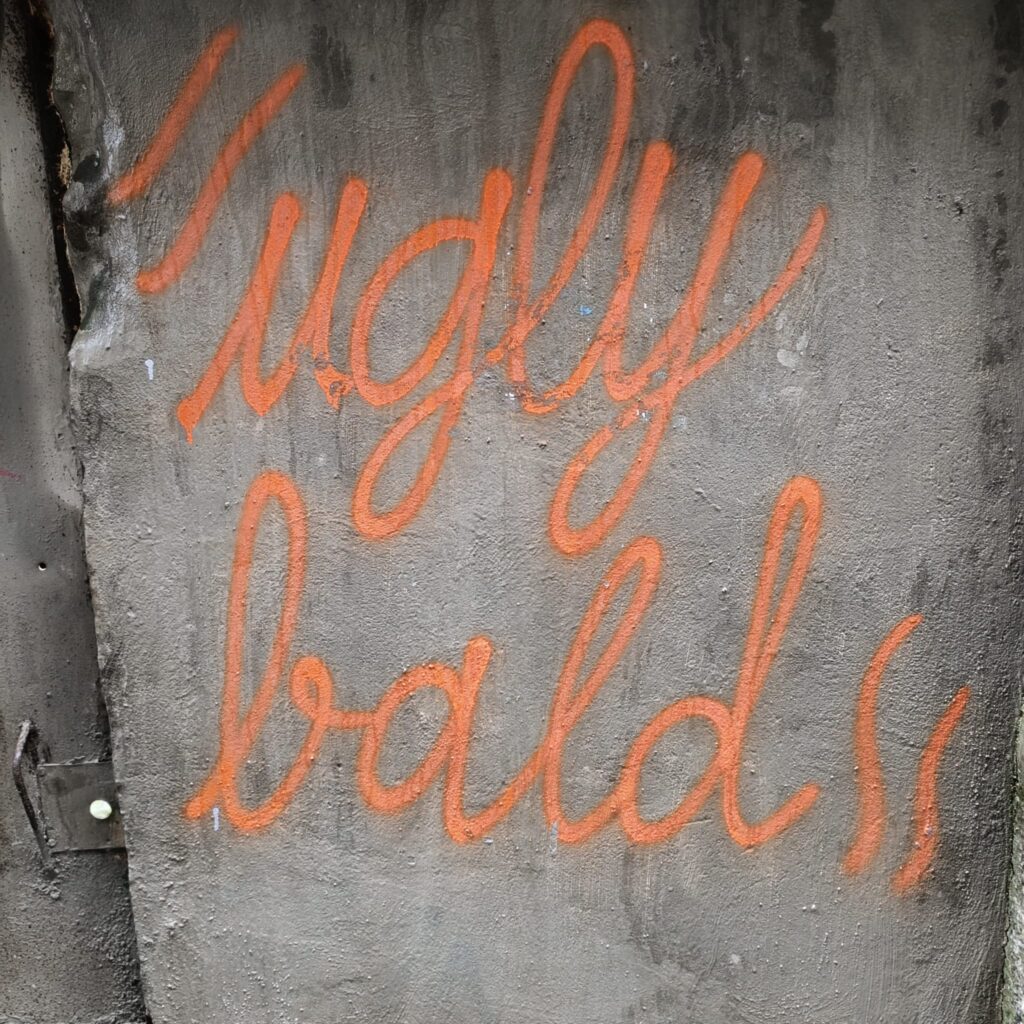
The central part of the workshop is a collective walk of approximately one to one and a half hours through the urban landscape of Guimarães. During this walking process, students will be invited to observe the city closely and collect visual and material elements that reflect its urban textures and atmosphere. This may include photographing graffiti, walls, worn surfaces, colors, details of decay or layering, as well as collecting found materials such as small posters, stickers, paper fragments, or other flexible elements that carry an urban “vibe.” The walk functions both as a research method and as a sensory experience, encouraging students to slow down, notice details, and engage with the city as an archive.
To avoid spending time during the workshop on printing, participants are asked to print and bring at least one photograph from the urban environment of the city. If time allows, additional photographs taken during the workshop day may also be printed.Participants should also keep in mind that they will need to bring a USB drive and a laptop to print the photos.
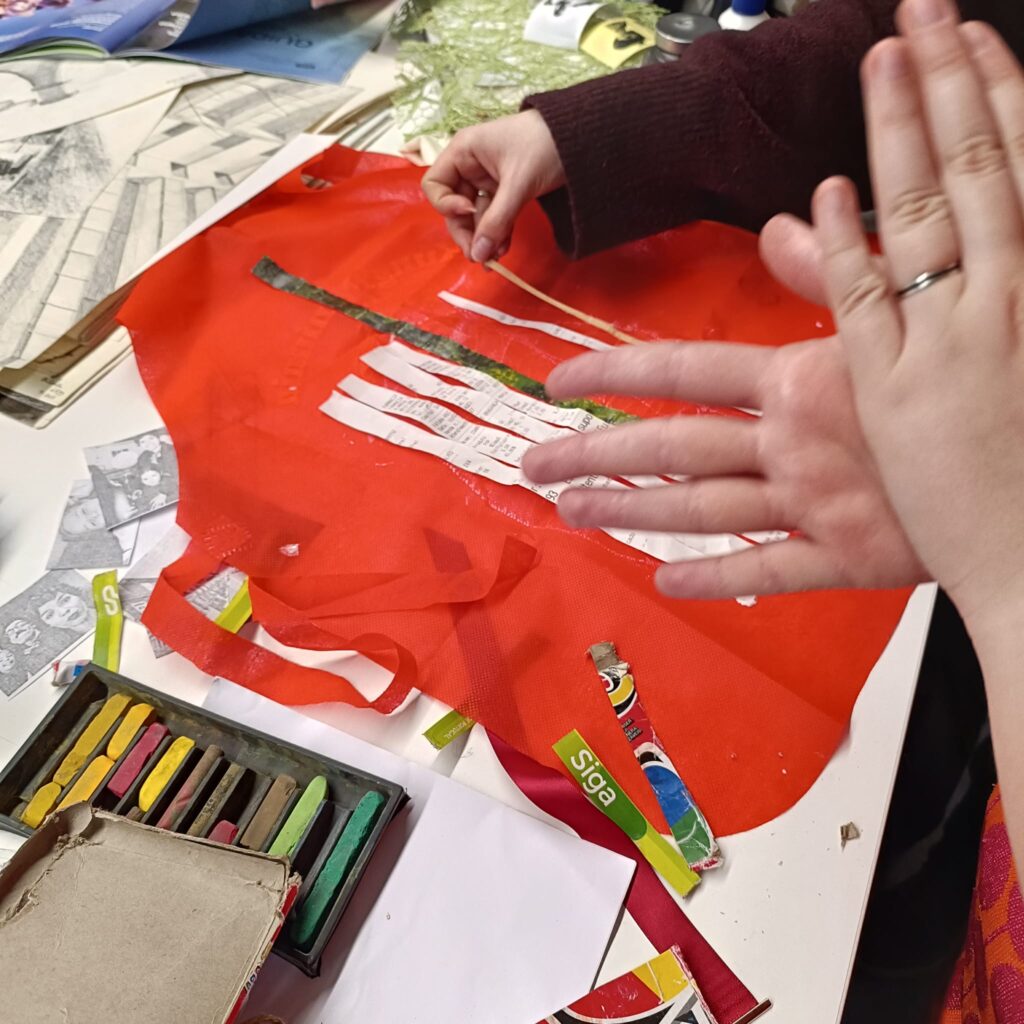
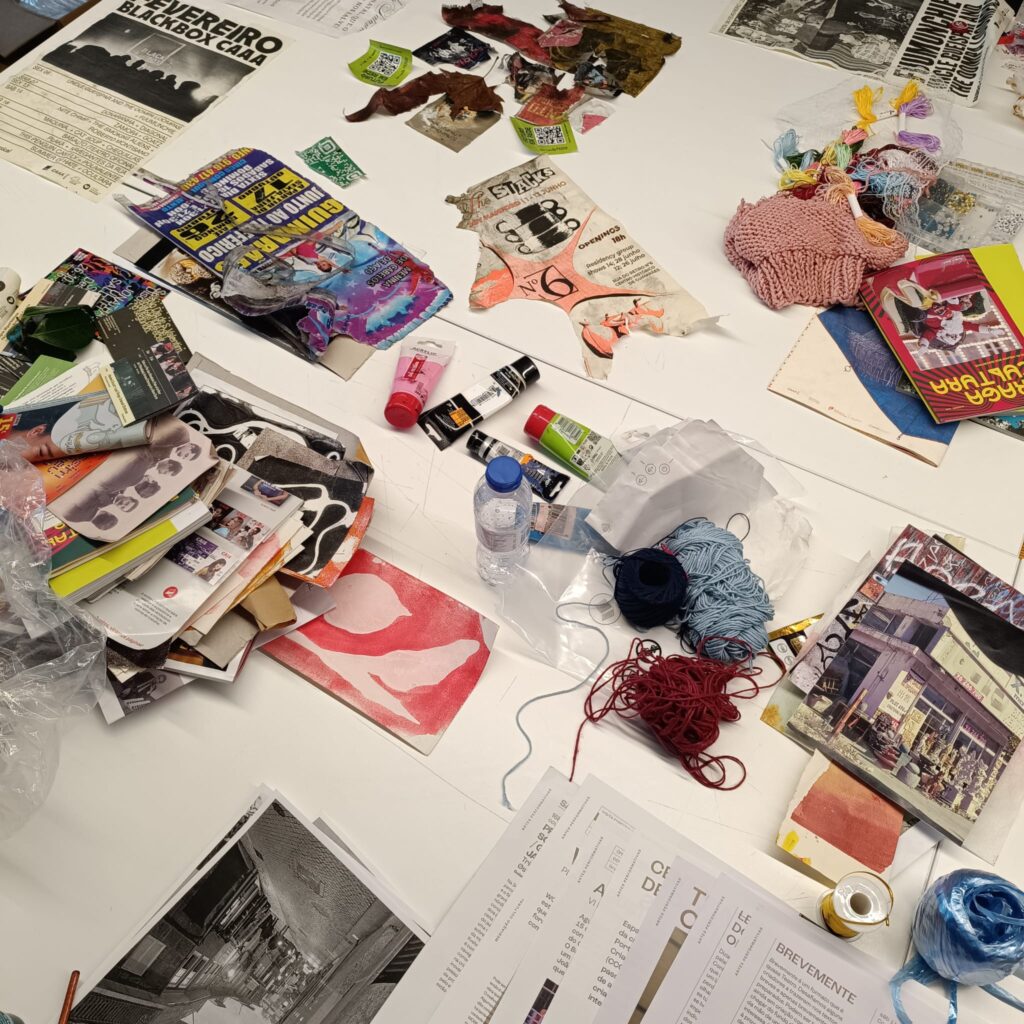
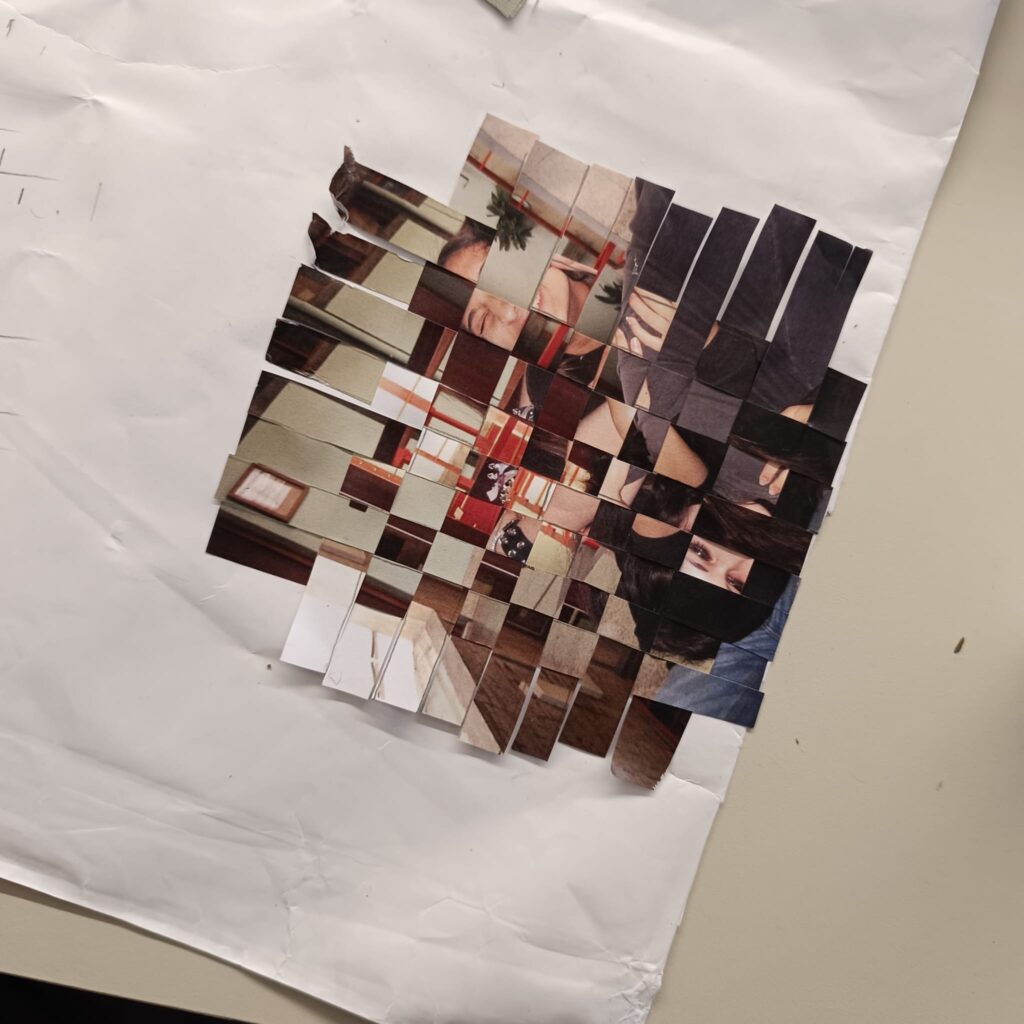
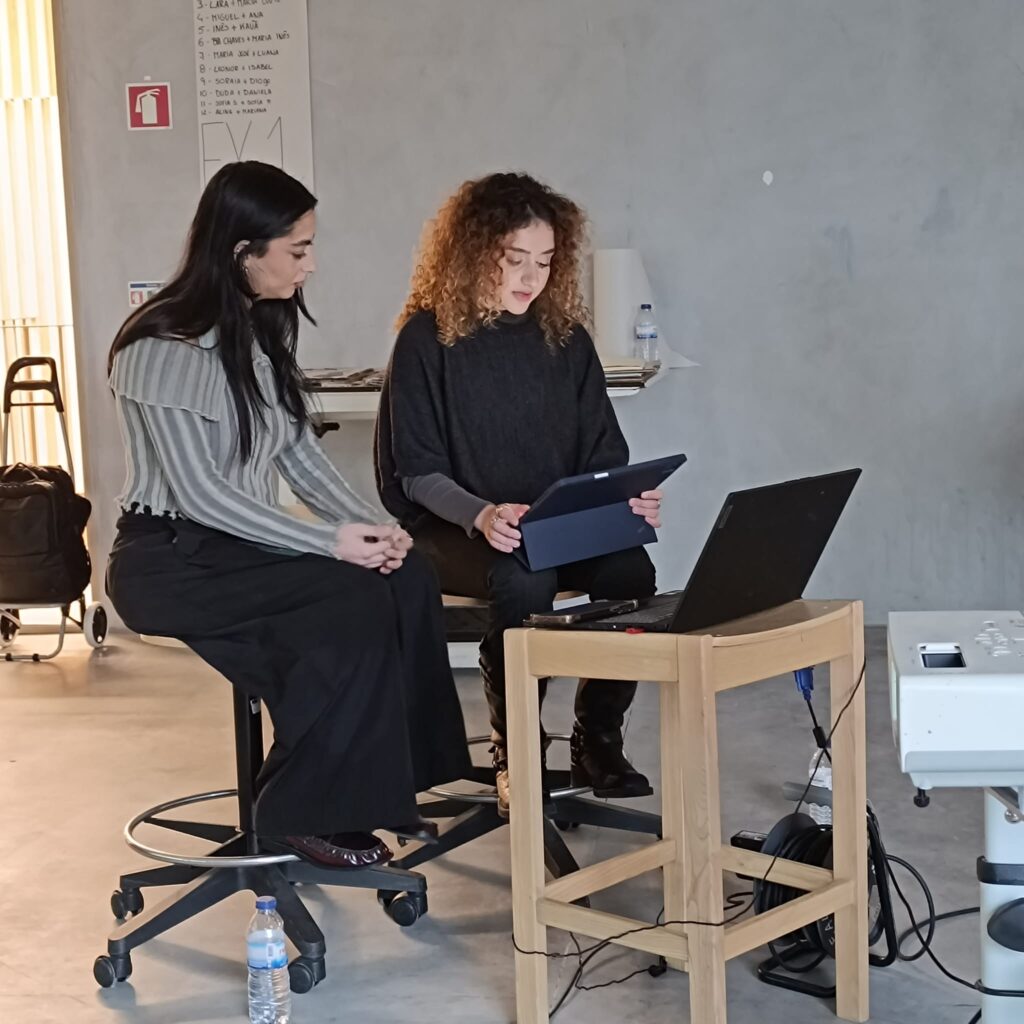
After the walk, the group returns to the studio space, where students will begin to work with their collected materials and personal photographs. Through techniques of weaving, intertwining, layering, cutting, and collaging, participants will experiment with combining personal memory and urban fragments into new hybrid compositions. Threads, fabrics, paper, and found materials will be used to physically and conceptually “bind” images together, allowing new narratives and visual relationships to emerge.
In the final stage of the workshop, students will work in small groups, combining individual works into a collective piece. (They can at first work individually and then connect the parts with classmates in groups/or from the first start they can collaborate in groups and in the end all the groups will connect their pieces together.) This collaborative process emphasizes ideas of shared space, collective memory, and coexistence. Each participant contributes their own identity, personal history, and visual language, which then merges with those of others and with the identity of the city itself. The outcome is an open-ended, exploratory process rather than a fixed result, encouraging imagination, experimentation, and dialogue.
Goals of the workshop:
• To explore memory and identity through material and visual processes
• To use walking and collecting as artistic research methods
• To connect personal archives with urban space
• To encourage experimentation, collaboration, and collective authorship
• Exploring their own view in something that they see everyday
• Take the unseen and create something new.
Bios:
Andri Peteli – my work originates from my surrounding environment, specifically the urban landscape. The mediums I use include photography, collage, painting, and drawing. The collection of visual information that I incorporate into my artworks emerges from the continuous observation of the urban environment during my explorations. I photograph various elements such as buildings, gestures (graffiti), weathered posters, geometric shapes found in architecture, as well as the decay and transformation of structures. Through my work, I aim to create visual compositions derived from colors, lines, shapes, and forms that I frequently discover within the space. I am particularly interested in the combination of rigid and organic forms.
Irene Tofa – visual artist from Frenaros/Famagusta, Cyprus and a graduate of the Department of Fine Arts at the Cyprus University of Technology. Her practice focuses on memory, place, and lived experience, creating imaginary landscapes where the natural and the symbolic coexist. She works with photography, seaweed, sand and other materials that she collects connected to the sea and the past, which she incorporates into textiles, installations, and video-sound compositions. Through processes of collecting and hands-on making, she highlights the fluidity of memory and identity. Rather than aiming for realistic representation, her work creates a personal space marked by a strong feminine presence, care, and storytelling. She has participated in exhibitions and festivals in Cyprus and Greece, presenting works that combine printmaking, photography, and installation techniques.
Materials that students should bring to the workshop:
• Prints of Personal photographs (childhood, family, or other meaningful images) (one or more)
• Prints of Photos from urban environment of the city (one or more)
• Threads, yarns, fabrics, or textile elements from home.
• Any kinds of papers, newspapers, magazines.
• Found materials (plastic, small objects, bottles, etc.)
• Scissors, glue, ruler (if available)
• Colours: oils pastel, acrylics, pencils, charcoal, spatula
Feel free and bring whatever you like and we will make it into a big making!
*Students are also encouraged to bring a notebook if they wish, in order to write, sketch, or take notes during the walking and studio process.
Record of the event:
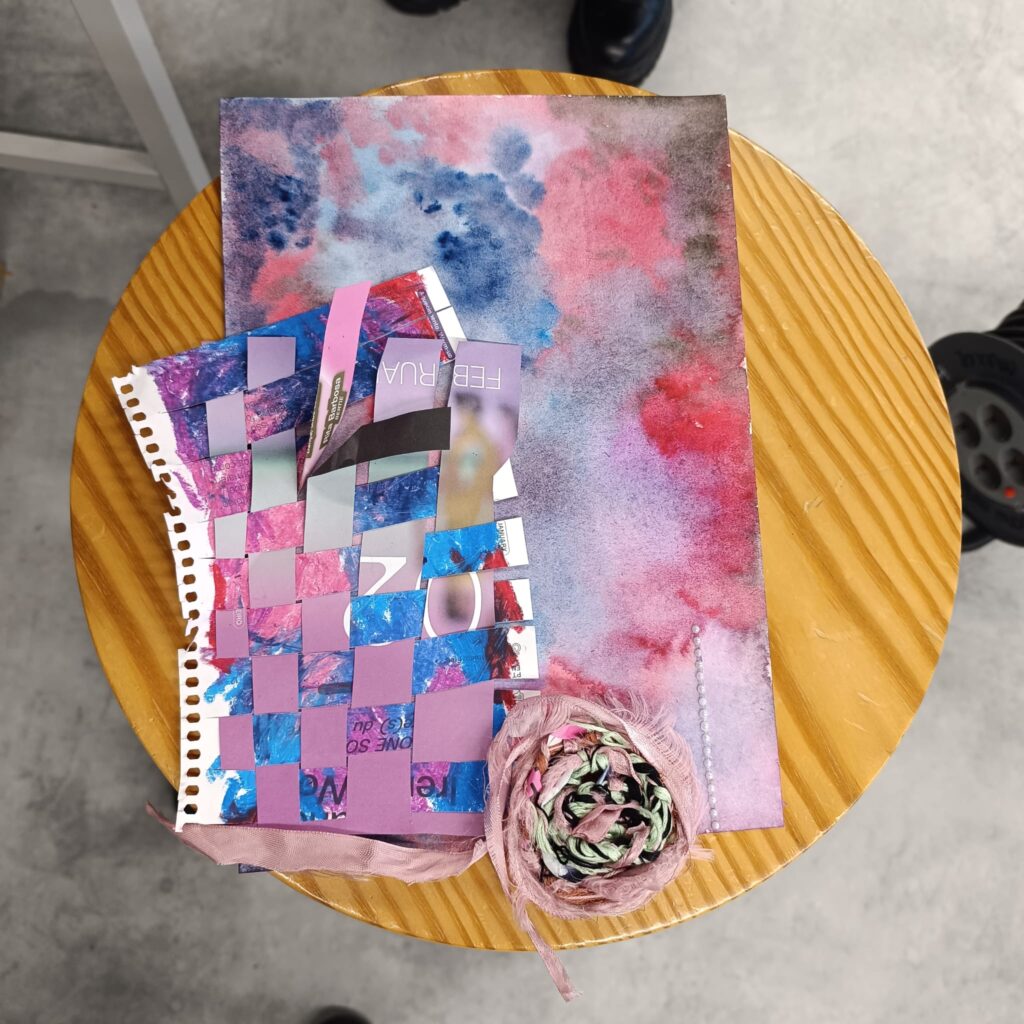
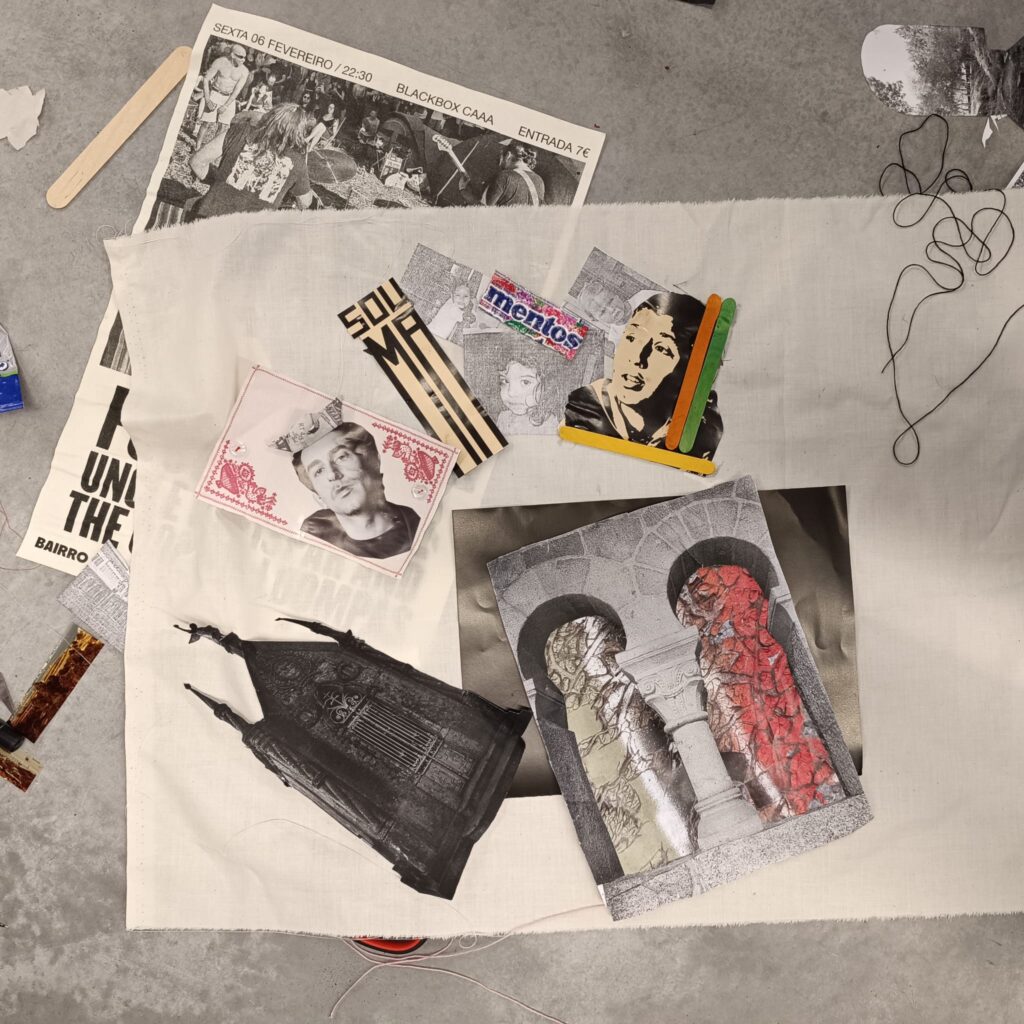
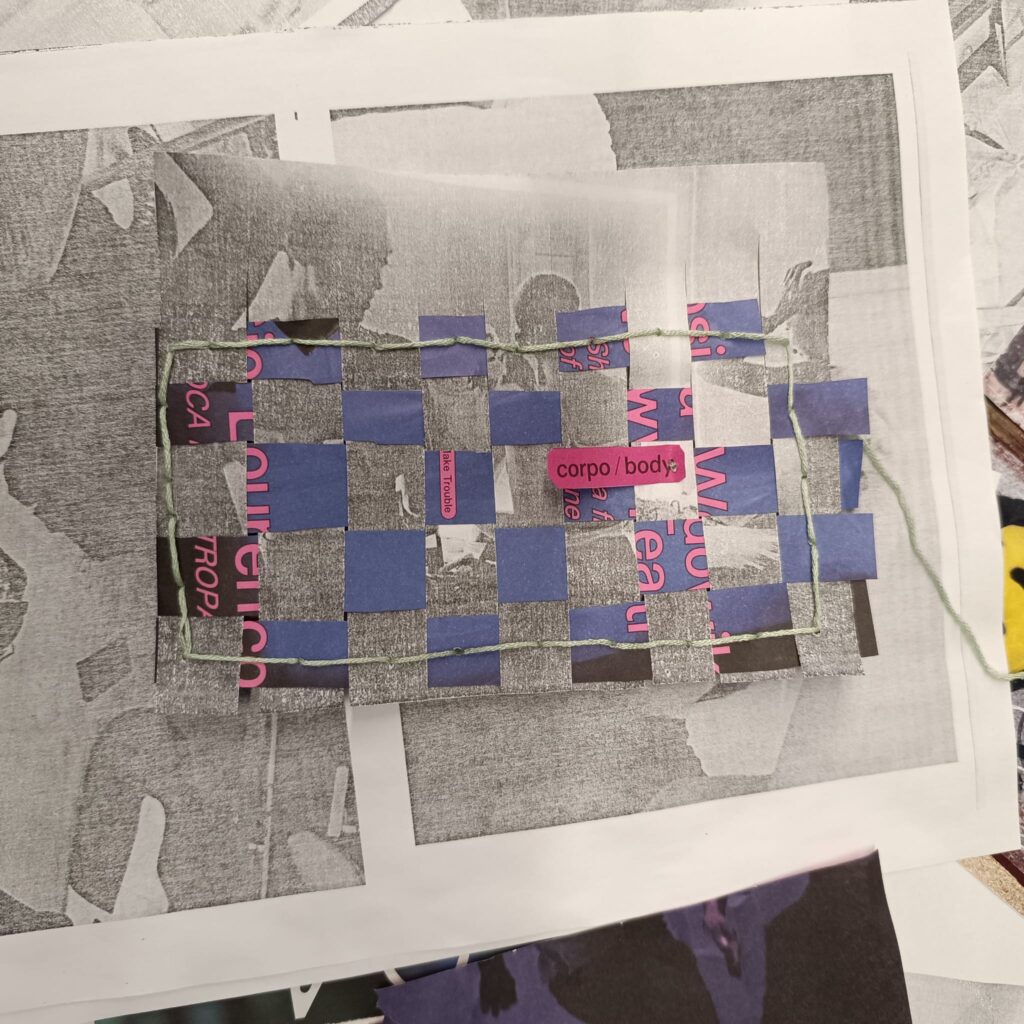
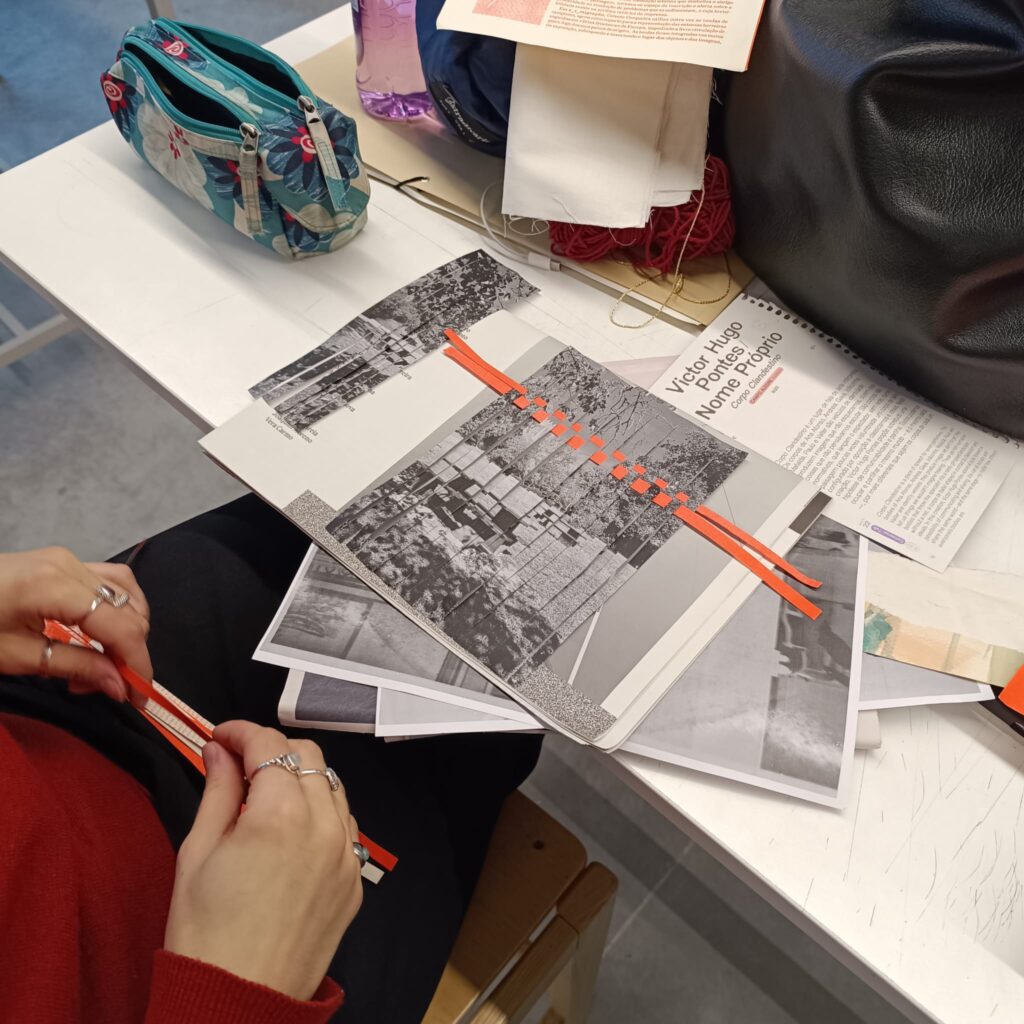
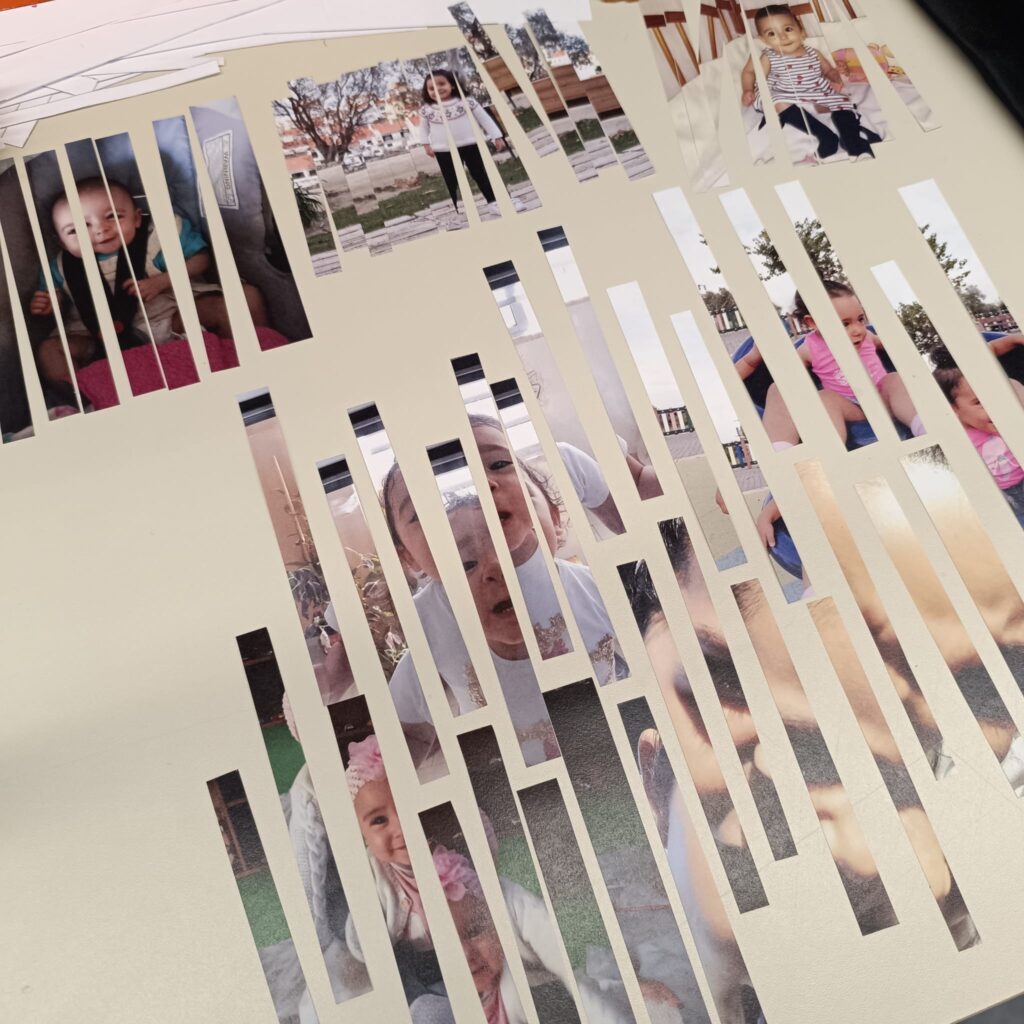
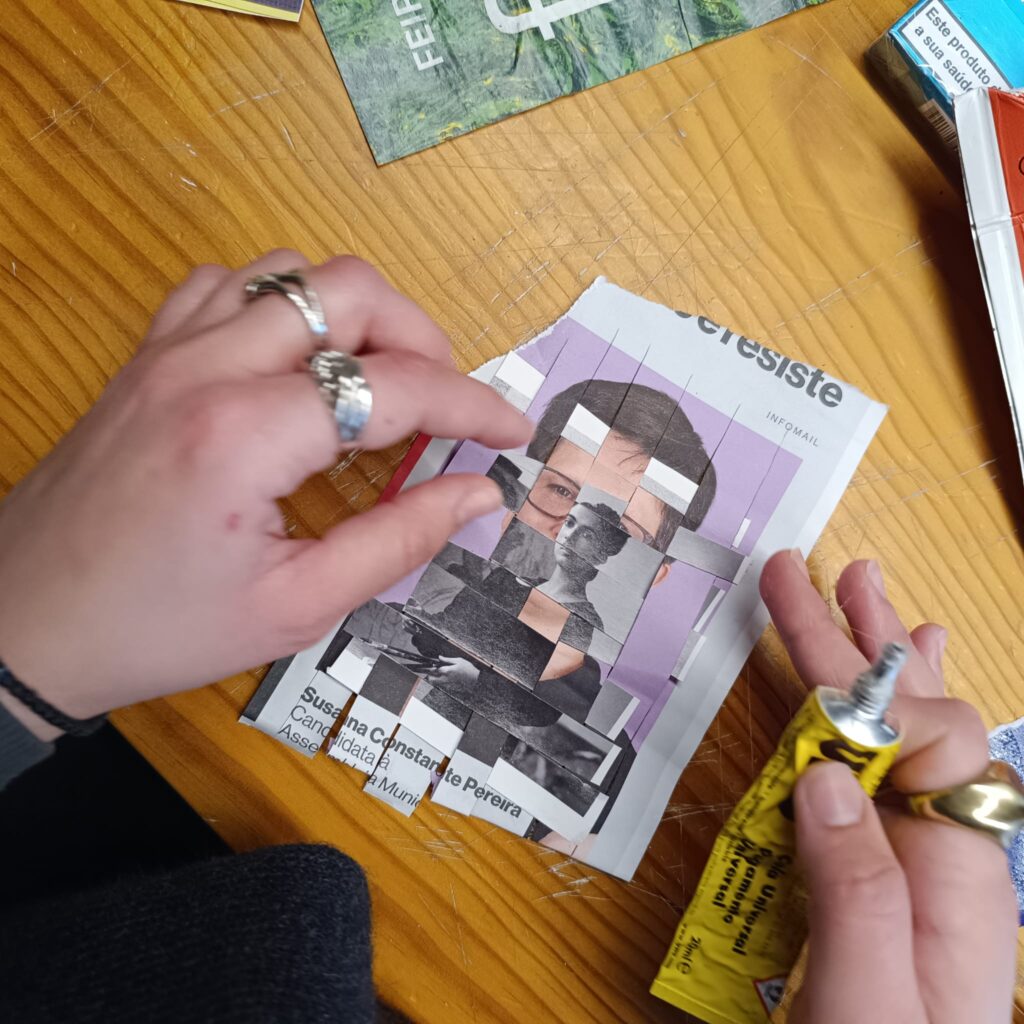
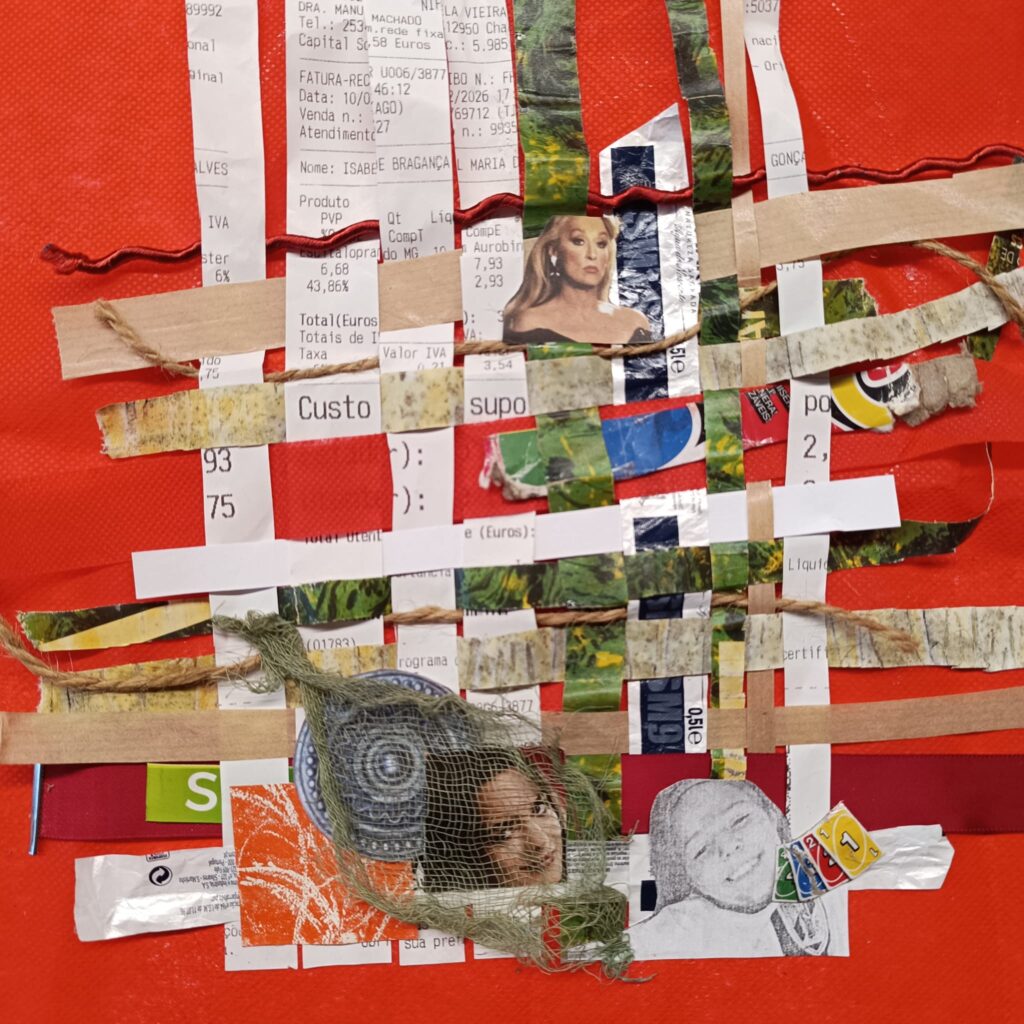
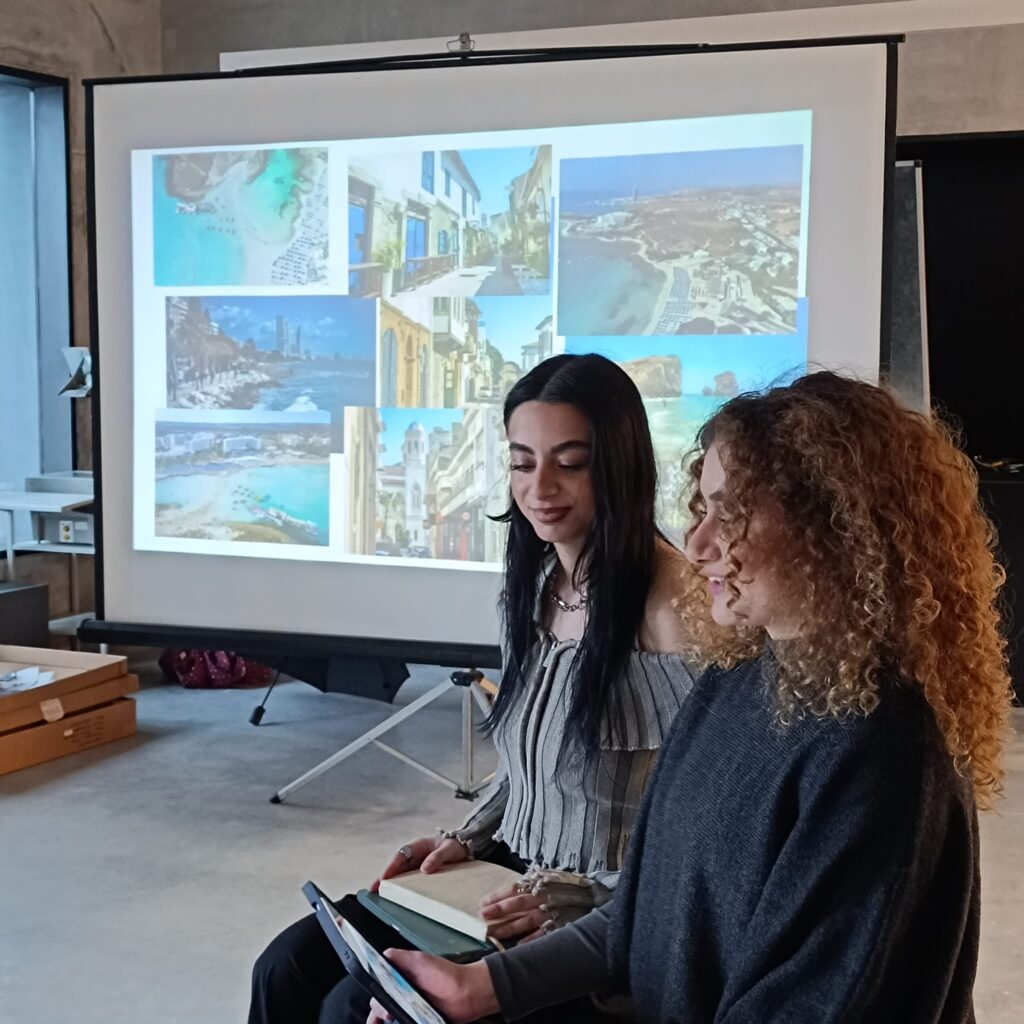
February 11th, 2026 10 am -1 pm
Guimarães urban space
Projeto Triangular EAAD CIAJG CAAA
